
Nicknamed “the Chameleons of the Balkans”, the Cincari or Aromani are perhaps one of the smallest, yet most influential ethnic groups that has lived among the Serbs. Continue reading
Цинцари – The Cincari – Aromani
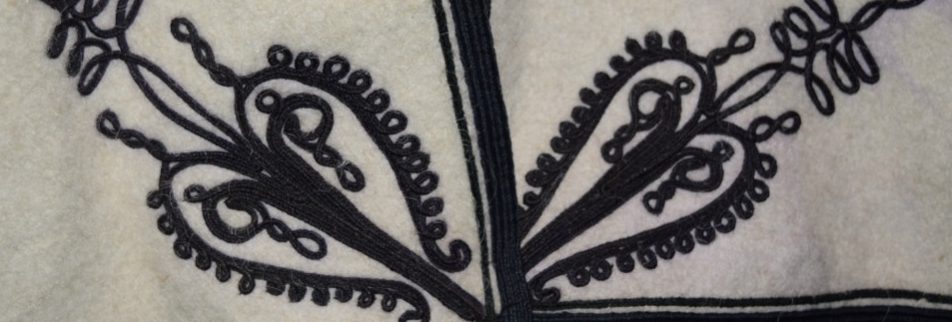
Nicknamed “the Chameleons of the Balkans”, the Cincari or Aromani are perhaps one of the smallest, yet most influential ethnic groups that has lived among the Serbs. Continue reading
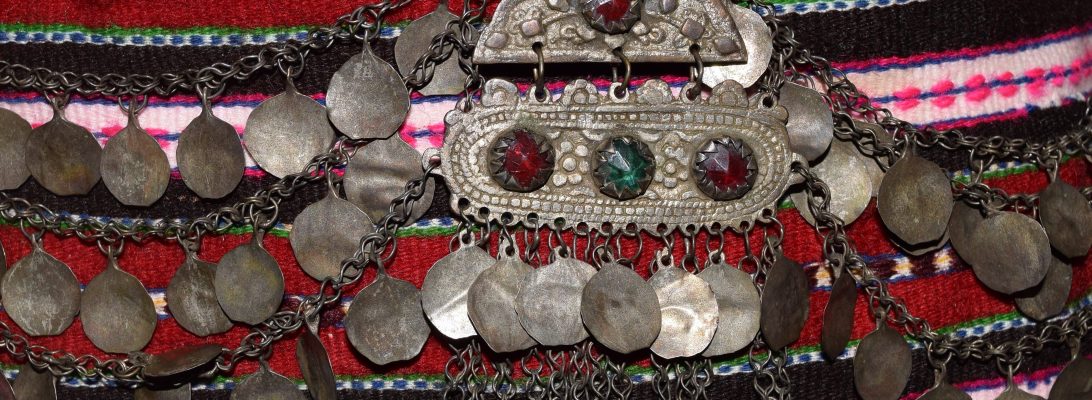
People often ask why I am so intent on preserving costume pieces and helping others learn more about them. One of the major reasons I do so is because costume pieces are tangible pieces of the past, and in that sense, tangible evidence of the existence of a people. Continue reading
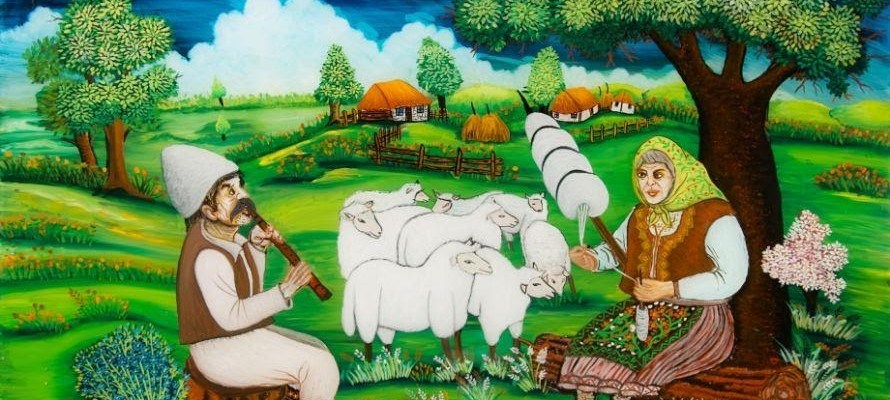
Quick! Think of a Serbian folk song. A traditional one. Now, I’m guessing that at least half of you thought of a song that involved a shepherd or shepherdess, a flock of sheep, or something pastoral like that. This is how deeply rooted the idyllic shepherd’s life is in Serbian culture. Continue reading
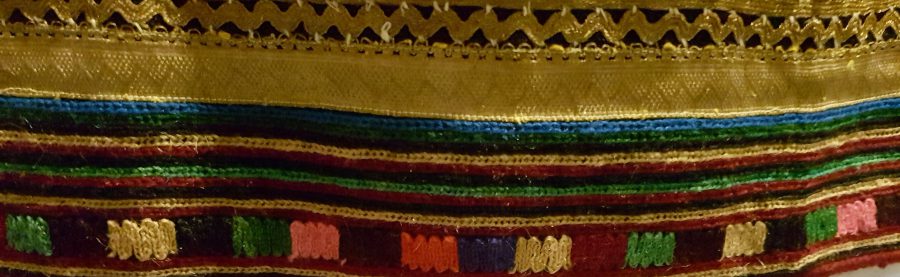
East of the Southern Morava, in villages and towns on the Stara Planina mountain range, is the land known as the Šopluk. From the southern Vlasina district to the Zaglavak and Budžak districts in the north, we find preserved some of the oldest aspects of folk culture, especially in costume. Continue reading

Although this blog’s primary focus is costume and the textile material culture of the Serbs, I do hope to address other aspects of folk life, traditions and customs. Previous posts have shown easter customs and tools for the processing of wool; this time, I’d like to look at a specific type of wood carving, the kepčija.
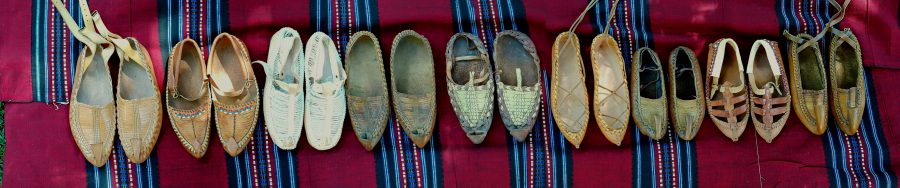
There’s a Serbian folk song that says “jelek, anterija i opanci, po tome se znaju Srbijanci” – “jelek (vest), anterija (jacket) and opanci (shoes), this is what Serbians are known for”. In a specific sense, i.e. the styles of these, this is very true; in a general sense, not so much. The garments are the result of centuries of foreign influences. But what about those shoes? Continue reading
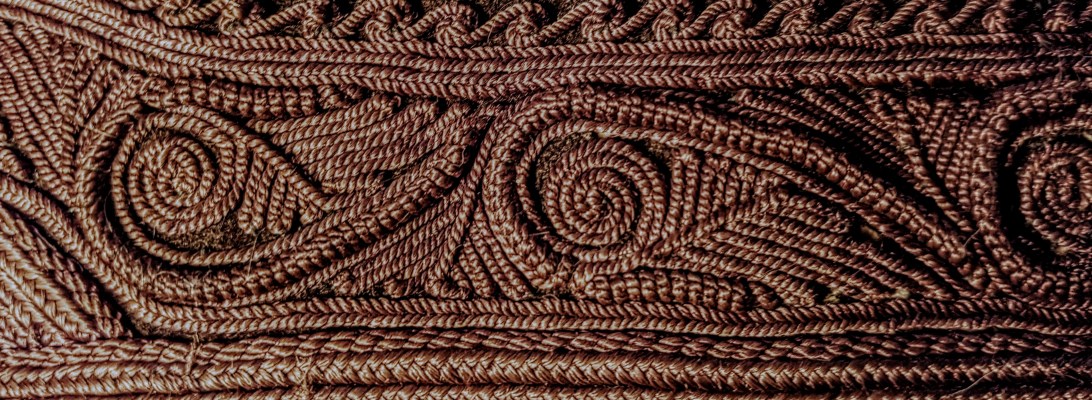
Throughout their history, Slavic men’s costumes invariably have included some sort of vest or sleeveless upper garment. It is known among Eastern, Western and Southern Slavs, and the Serbs (belonging to the Southern Slavic branch) are certainly no exception. The vest, or jelek, has changed over the centuries, influenced by the cultures that shaped our history.
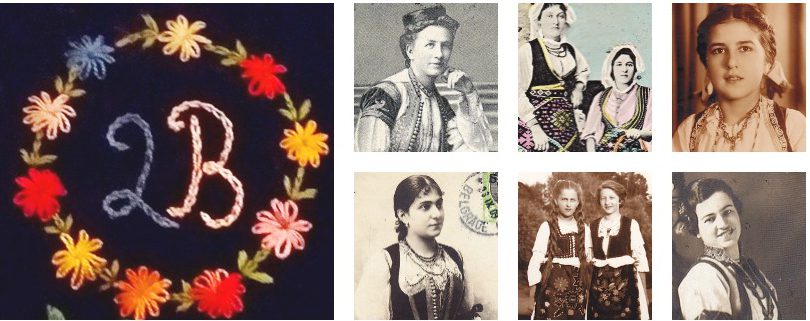
An eternal question, one that pops up very frequently in Serbian folk songs… Sorry, Madonna – before you, it was the Serbs who asked, “Who’s that girl?”
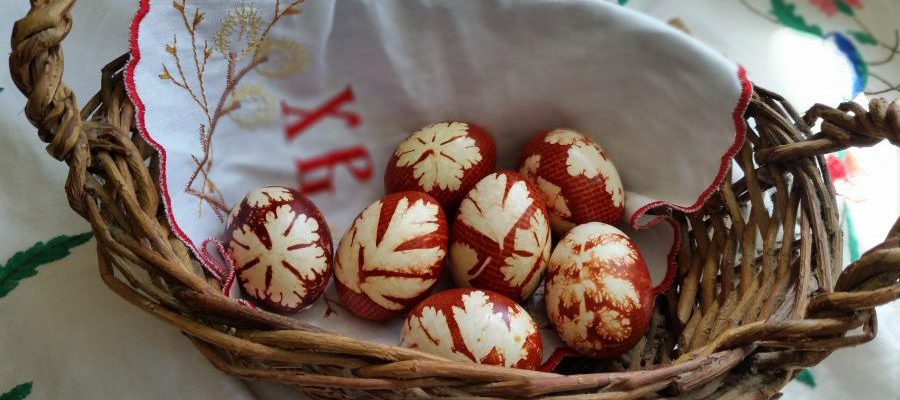
A coloured egg at Easter is a joyous reminder of spring, of rebirth and resurrection. The art of egg decoration almost died out entirely among the Serbs, but has survived through the traditional lives of remote villagers and the efforts of educators, museums and cultural institutions in both Serbia and the diaspora. Continue reading
 Свилен конац Silken Thread