Хомољска Ношња – Costume from Homolje Region

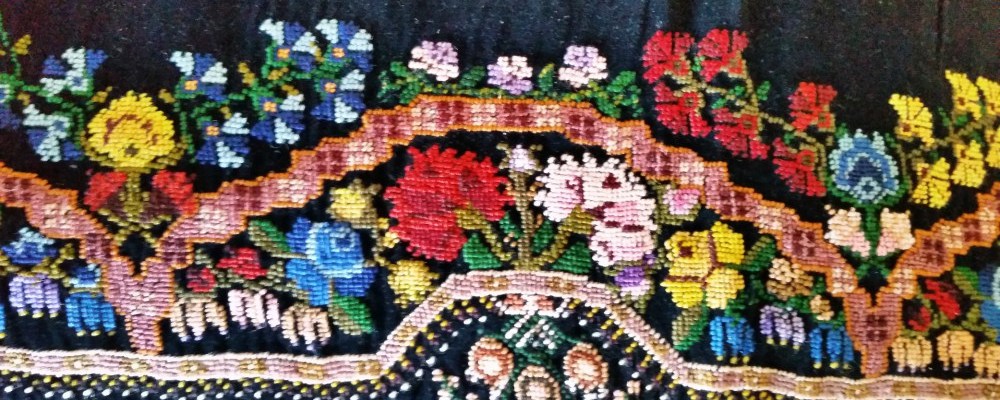
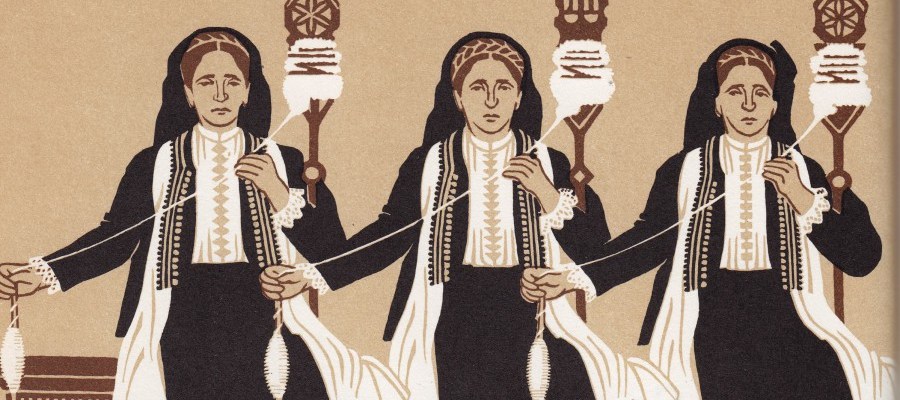
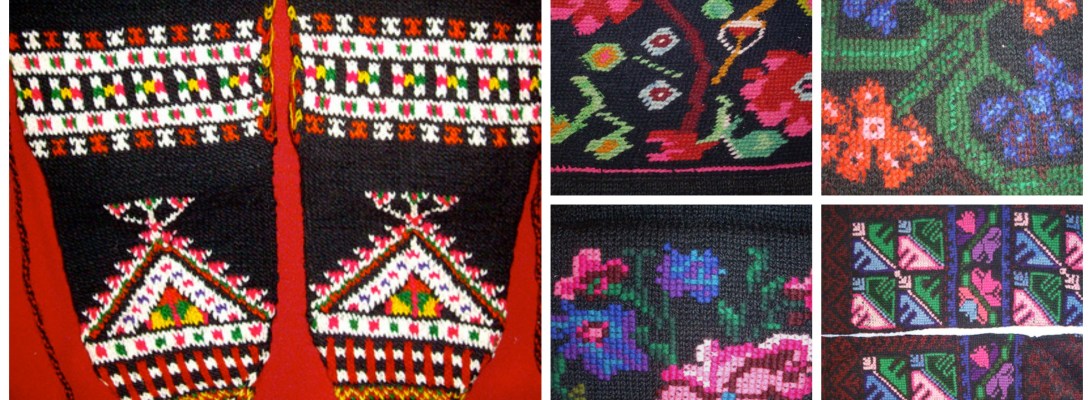
Homolje is a mountainous region of northeastern Serbia. It is a beautiful, rugged countryside centred around the Braničevo and Bor districts, with the Peka and Mlava rivers cutting through them. It borders the Stig district toward the Danube, and Timok region to the east; Beljanica and Crni Vrh mountains are to the south. It is a district inhabited by Serbs and Vlachs, with lively folklore and beautiful costumes.
Continue reading

ОЈ, МОРАВО! – THE MORAVA CULTURAL ZONE

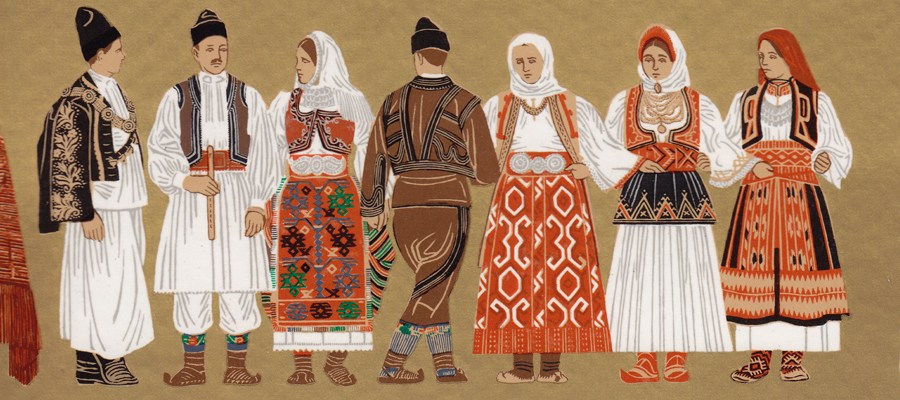
Among Serbian folk songs, no river is more sung about than the Morava river. It is described as “moje selo ravno” – “my village in the plain”; “tiha reko” . “quiet river”; on the other side of the Morava (“s one strane Morave…”) one sees the prettiest girls; it floods its plains, it is cold, it is in places murky and in others clear. This river is the central line of Serbia proper, and gives its name to an ethnocultural zone that roughly stretches from the eastern banks of the Great Morava, to the Drina, the Southern Morava and the Danube. Within the zone, there are microregions, localities with specific variations on the general cultural hallmarks of the broader zone.
Continue reading

Терзије – Terzije

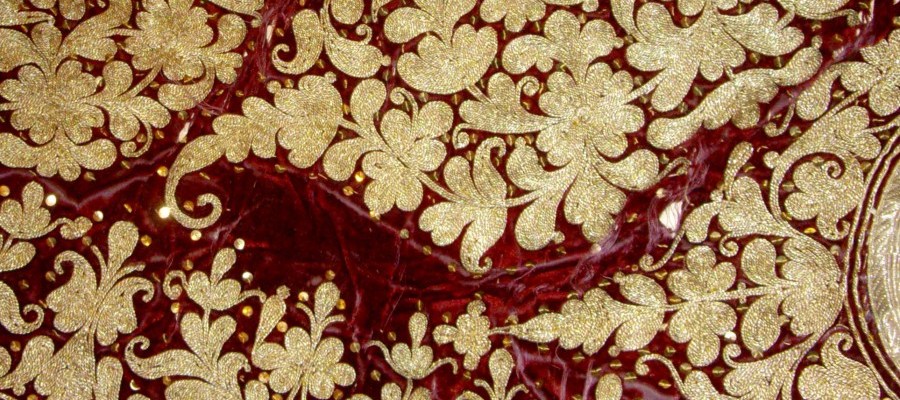
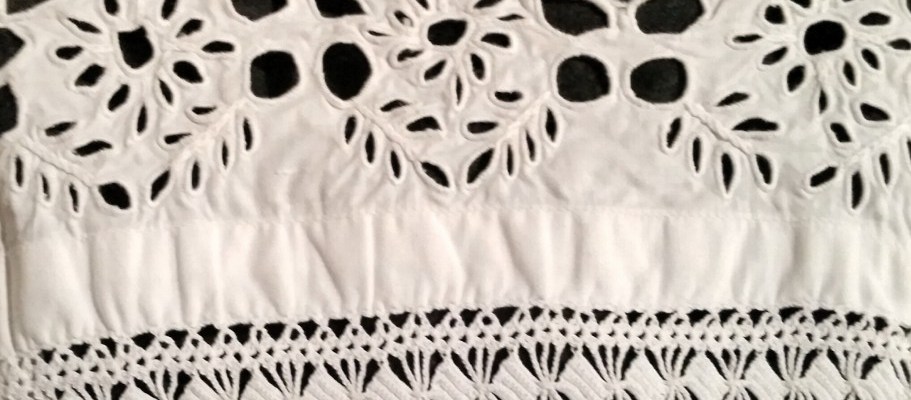
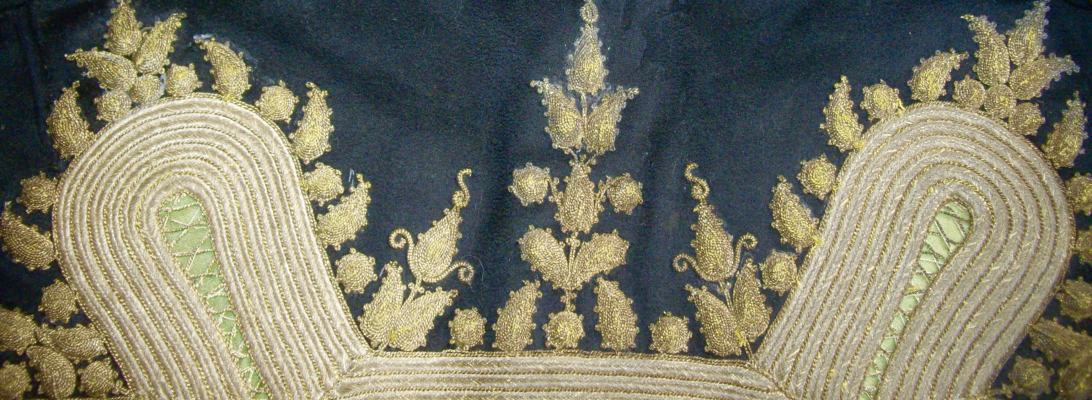
Serbian folk costume abounds with many types of embroidery and ornamentation, some with ancient Slavic roots, others influenced by Central Europe, and very many of Levantine or Ottoman origin. In fact much of the terminology for costume parts is a Serbianized Turkish word, or Turkism (turcizam). These include some garments that have changed little in form from the original, such as mintan, dolama, džube, misiraba; others, adapted to slavic sensibilities of design, ornamentation and structure, as happened with jelek, anterija, silav, marama, čarape.

These garments were made by skilled craftsmen, called terzije Continue reading