Пожаревачка Морава – Požarevac Morava
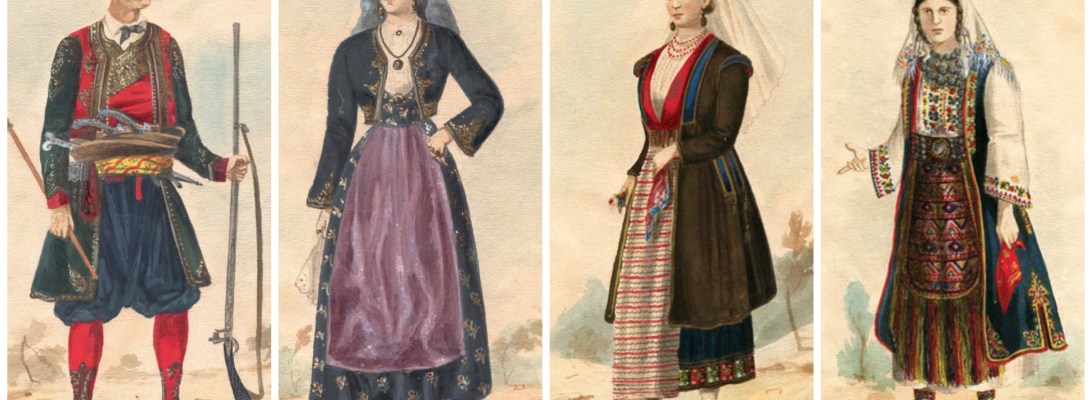
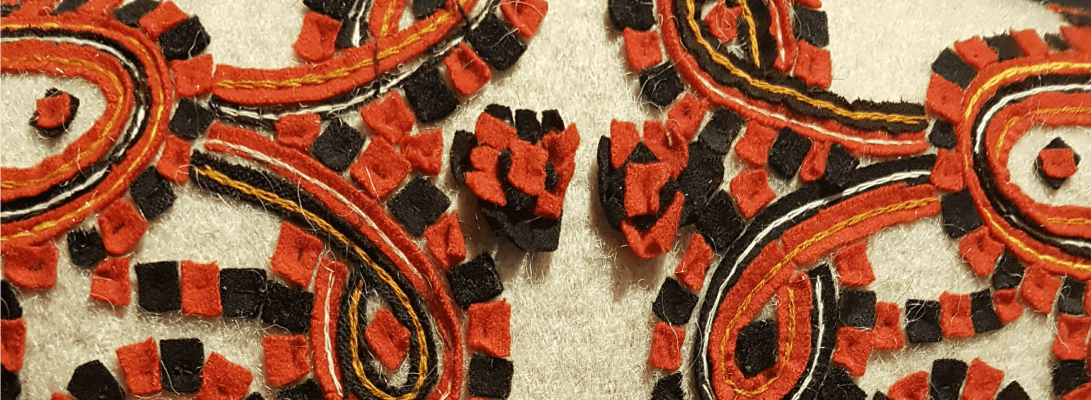
The Požarevac Morava district (Požarevačka Morava, Požarevačko Pomoravlje) gets its name from the city of Požarevac, found at the lower end of the Morava river valley, near the Danube. The city arose on the ruins of the Roman city of Margus, best known as the site of a treaty between the Byzantine Emperor Theodosius and the Huns, led by the brotherly duo of Attila and Bleda. It was part of the medieval Serbian kingdom of King Dragutin Nemanjić, until its Ottoman conquest in 1459. Apparently destined to be a place of peacemaking, it was also the site of the signing of the Treaty of Passarowitz (because, Austrians mangle every single Serbian town name they attempt to pronounce) which led to a short-lived peace between the Ottomans and their two western adversaries, the Austrian Empire and Venetian republic. Continue reading

Лесковац – Leskovac

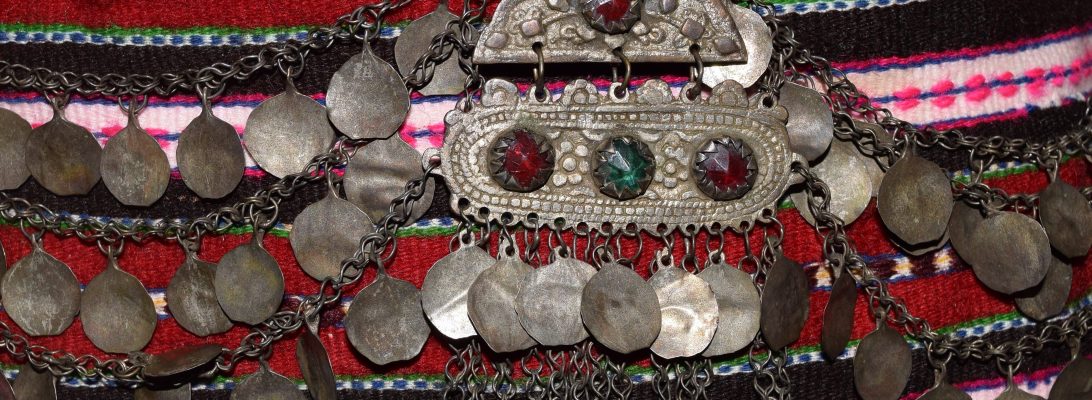
Leskovac and its surroundings have been part of the Serbian state since its emergence in the early middle ages. From the rule of an unnamed Serbian Prince, whom Constantine Porphyrogenitos describes as being a vassal of “Emperor Heraclitus, when Bulgaria was under the Romaion” (i.e. before the establishment of a Bulgarian state). The Leskovac district, then known as Dubočica, was under the rule of the Vlastimirović princes through the 8th to 10h centuries, and under Stefan Nemanja, it became part of the state of Raška in the 12th century.

Continue reading

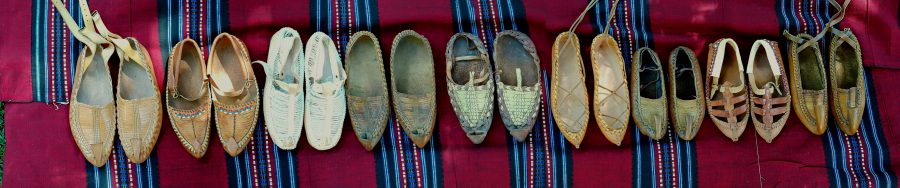
Опанчићи на кљунчиће – Do you know your opanci?

There’s a Serbian folk song that says “jelek, anterija i opanci, po tome se znaju Srbijanci” – “jelek (vest), anterija (jacket) and opanci (shoes), this is what Serbians are known for”. In a specific sense, i.e. the styles of these, this is very true; in a general sense, not so much. The garments are the result of centuries of foreign influences. But what about those shoes? Continue reading